Personal Thoughts
·
5
min read
AI Without Context Is Working Blind
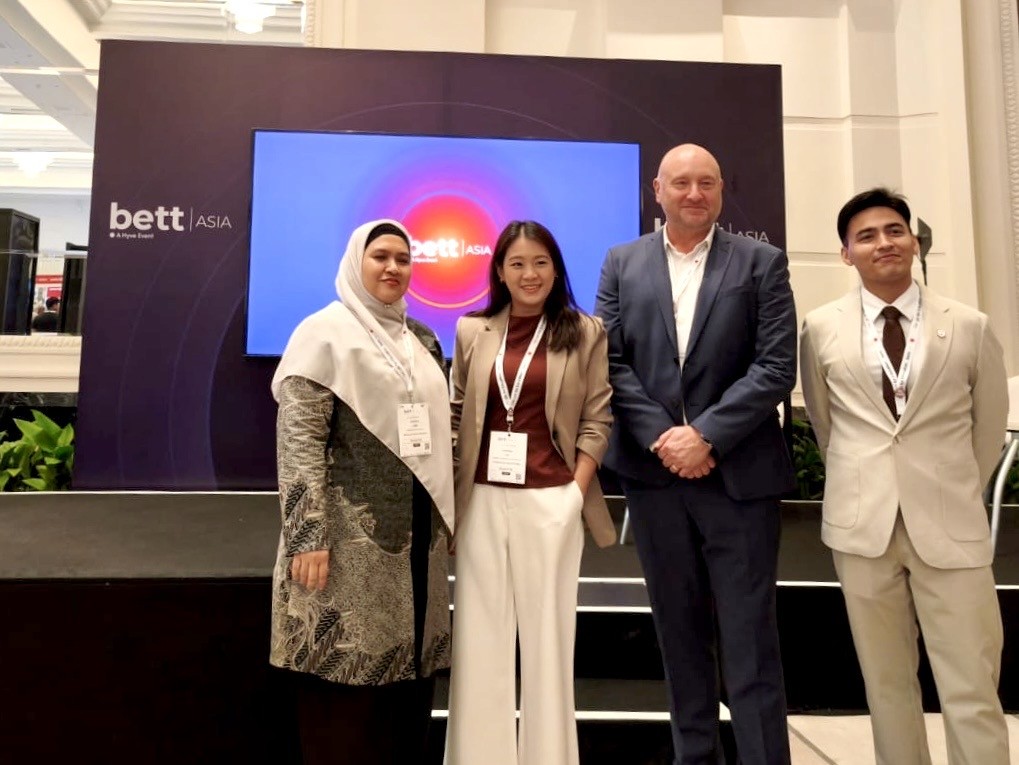
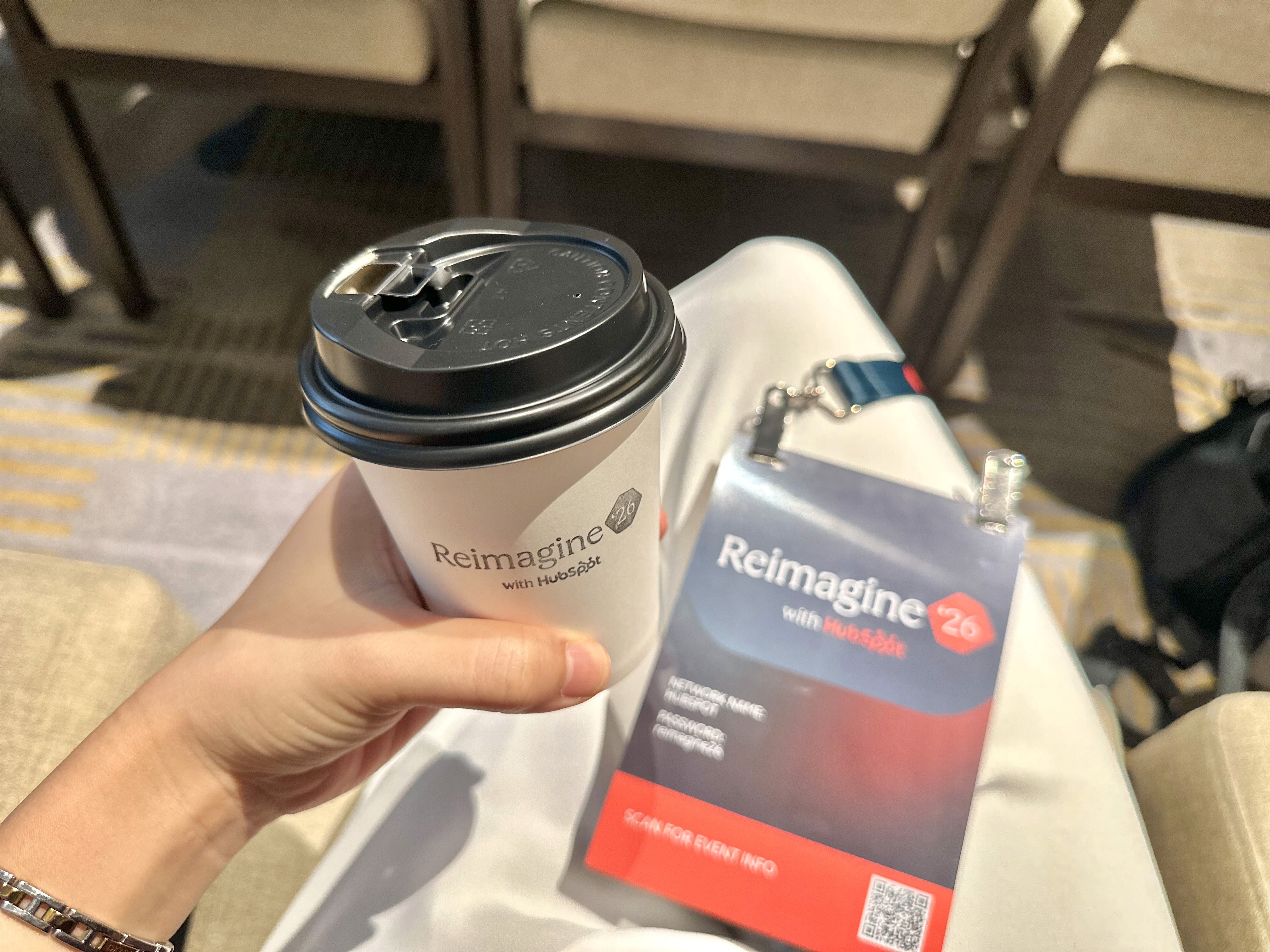
I attended two AI events this week: Zoom Day Asia 360 and Reimagine '26 with HubSpot. My brain is full and my social battery flat. Time to unpack the week and wind down with some reflections.
Months ago, I started using LLMs for personal productivity optimisation. I vibe-coded with mobile apps, then Codex, then discovered Cowork. I used Claude and ChatGPT to think, draft, analyse. Each new tool felt remarkable and I wanted more people to feel the same. I guess my enthusiasm within my organisation was heard, as I've now been asked to run an organisation-wide demo session to show real use cases that my colleagues can try with Claude Enterprise. I have spent weeks preparing it, and thinking hard about relevant, productive use cases for people from various departments. I was prepared to demo how Claude can connect to tools like Microsoft 365, HubSpot and Google apps and work with live data stored there.
Yet as I sat listening to the opening keynote at Amara Hotel today, I realised something. The stronger workflow is not really a separate assistant that reaches into your tools, but the AI already built into the tools where your work, data and teams are.
Both events pushed the same message: AI is only as good as the context it can see. In Zoom, where meetings and conversations happen, the AI already knows the context to move a discussion to a finished task. In HubSpot, where leads and customer records are stored and marketing and service teams are connected, we do not need to feed it context, since it already is there.
Zoom framed this as a unified context layer that takes you from conversation to completion. ZoomMate and the Zoom AI Productivity Suite can bridge real-time conversations, collaboration history and enterprise data. When you ask ZoomMate a question, it doesn't just read what you're asking, it reads why and it infers your intent based on all the context it already has from your meeting discussions.
One main question on my mind was this: How can we move from AI for individual productivity (faster writing, sharper analysis) to institutional performance (best judgement scaled and growth decisions accelerated)?
At Zoom Day, the message I heard was this: find where your information is stored and bring as much of it together as you can to put in one place, so that when you're ready with an AI agent, the AI can work with the fullest context it can have.
At Reimagine '26, HubSpot's answer was this: take the first step by giving AI your growth context. Context of your market, how your team works, deep knowledge of your own product and persona of customers.
Without context, AI gives you generic, unsophisticated outputs. With context, you get real outcomes. Adarh Norondha, Sales Director of HubSpot India, put it bluntly. AI without context is working blind. It misses the mark, the output is substandard, and people will be able to notice it. And when they do, trust breaks.
In Kat Warboys's keynote opening, one point that has stuck with me is this: The people who once thrived in organisations were map readers - those who studies the playbook and followed it. Now, with the rapid advancements of AI technology, we are navigating new territory without a map. The capacity to change is the most valuable asset a person can have. The people who will lean into curiosity and who value experiments over roadmaps.